
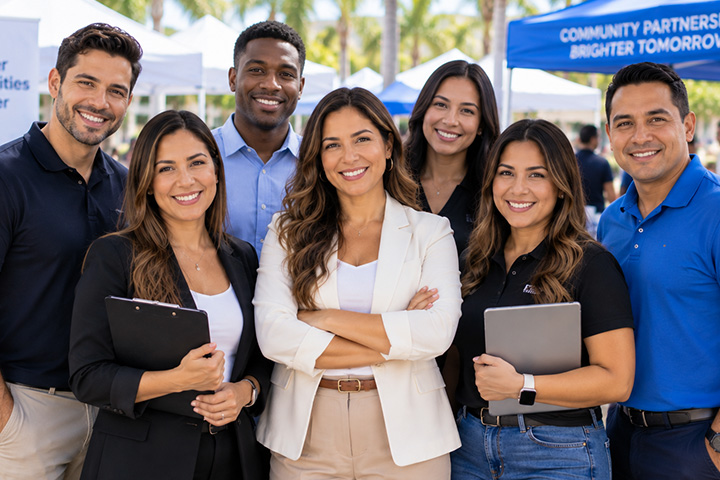
Building healthier communities requires more than the work of one organization. Meaningful and lasting community health efforts are strengthened when healthcare providers, nonprofit organizations, local agencies, businesses, community groups, and residents work together toward shared goals.
Partnerships can help expand access to health education, preventive resources, community outreach, referrals, and other forms of support for individuals and families who may face barriers to healthcare.
At Magic Helping Hands Foundation Corp, we believe that collaboration and community outreach are essential to creating stronger connections between people and the health and community resources available to them.
Why Community Partnerships Matter
Every organization brings different strengths, resources, expertise, and relationships to the communities it serves.
Healthcare providers may offer professional knowledge and connections to medical services, while nonprofit and community organizations may have strong relationships with local families and a deeper understanding of community needs.
Local agencies, businesses, educational organizations, and other partners can also contribute resources, outreach opportunities, locations, volunteers, professional expertise, or other forms of support.
Working together can help organizations extend their reach and create stronger pathways between individuals and the resources they need.
Bringing Resources Closer to the Community
For some individuals and families, accessing healthcare information and preventive resources through traditional settings can be difficult.
Financial challenges, lack of insurance, transportation limitations, limited provider availability, and lack of awareness about available services can create barriers to care.
Community outreach can help bring health education, prevention information, screenings, and resource connections closer to people where they live, work, and gather.
Health fairs, workshops, educational days, community talks, prevention campaigns, and other outreach activities can create accessible opportunities for individuals and families to learn and connect.
Connecting People With Healthcare Resources
One of the most valuable roles of community partnerships is helping individuals understand where they can turn when they need additional support.
Strong referral networks can help connect individuals and families with primary care, preventive services, testing resources, healthcare providers, social services, and other community organizations.
Resource navigation can further support these connections by helping people identify available options and better understand how to access appropriate services.
Creating clear connections between community programs and healthcare resources can help reduce confusion and make it easier for individuals to take the next step.
Strengthening Prevention Through Collaboration
Partnerships can also strengthen community prevention efforts.
Organizations working together can share reliable health information, increase awareness of preventive care, support community screening initiatives, promote STI and HIV prevention education, and encourage appropriate testing and early detection.
Collaboration can also help organizations identify health concerns and educational needs within particular communities.
By combining resources and expertise, partners can create prevention initiatives that are more responsive to the people they are intended to serve.
Reaching Uninsured and Underserved Populations
Low-income, uninsured, and underserved individuals and families may experience multiple barriers when trying to access healthcare and supportive resources.
Community organizations that already have trusted relationships within these populations can play an important role in outreach and education.
Partnerships between these organizations, healthcare providers, and other local resources can create additional opportunities to reach individuals who may otherwise have limited contact with preventive healthcare services.
Building trust and maintaining a consistent community presence are important parts of developing stronger relationships over time.
Listening to Community Needs
Effective community outreach is not only about providing information. It also involves listening.
Community events, conversations, participant feedback, and partnerships can help organizations better understand the challenges individuals and families are experiencing.
This information can help identify gaps in available resources, emerging health concerns, educational needs, and opportunities for future programs.
Listening to the community can also help organizations adjust their initiatives as needs, resources, partnerships, and program capacity change.
Creating Sustainable Community Connections
Long-term community impact requires relationships that extend beyond individual events or initiatives.
Building sustainable partnerships can strengthen referral networks, improve coordination, increase awareness of available resources, and create opportunities for continued collaboration.
As these relationships develop, organizations can work together to identify opportunities for new programs, expand community outreach, and strengthen the support available to individuals and families.
Sustainable collaboration can help create a stronger foundation for continued community health and wellness efforts.
Our Commitment to Community Outreach and Partnerships
Magic Helping Hands Foundation Corp is committed to developing partnerships with healthcare providers, community organizations, local agencies, businesses, and other organizations throughout Florida.
Through these relationships, we aim to expand health education and prevention, strengthen community outreach, improve connections to healthcare and community resources, and support low-income, uninsured, and underserved individuals and families.
As our foundation grows, partnerships will play an important role in helping us understand community needs, strengthen available resources, expand our programs, and build sustainable pathways to healthier communities.
Stronger Together
Building healthier communities is a shared responsibility. When organizations combine their knowledge, resources, experience, and commitment, they can create stronger connections and more opportunities for the people they serve.
Healthcare providers, nonprofit organizations, businesses, local agencies, community leaders, and residents can each play a role in creating healthier and more supportive communities.
Together, we can expand access, strengthen prevention, connect families with resources, and build healthier communities—one helping hand at a time.