Health education can play an important role in helping individuals and families understand their health, recognize potential risks, and make informed decisions that support their overall well-being.
For low-income, uninsured, and underserved communities, access to reliable and understandable health information can be especially valuable. When people have the knowledge and resources they need, they may be better prepared to take proactive steps toward prevention, seek appropriate care, and make healthier choices for themselves and their families.
At Magic Helping Hands Foundation Corp, we believe that health education is an essential part of prevention and an important step toward building healthier families and stronger communities.
Why Health Education Matters
Understanding health information can influence many of the decisions people make throughout their lives. From knowing when preventive screenings may be appropriate to understanding healthy lifestyle choices, reliable information can help individuals become more active participants in their own health and well-being.
Health education can also help people better understand available healthcare services, recognize the importance of prevention and early detection, and identify resources that may be available within their communities.
Providing information in a clear, accessible, and respectful way can help individuals and families feel more confident when making decisions about their health.
Education Is an Important Part of Prevention
Prevention often begins with awareness. People need reliable information to understand potential health risks and the steps they can take to help protect their health.
Educational initiatives can address topics such as preventive healthcare, routine screenings, nutrition and wellness, healthy lifestyles, STI and HIV prevention, sexual health, early detection, and available healthcare and community resources.
By increasing awareness of these topics, health education can encourage individuals to take a more proactive approach to their health and seek appropriate professional care when needed.
Helping Families Make Informed Health Decisions
Health decisions can affect not only individuals but entire families. Parents and caregivers often make important choices related to preventive care, nutrition, wellness, healthcare services, and other aspects of family health.
Access to understandable and trustworthy health information can help families evaluate their options, ask better questions, and communicate more effectively with healthcare professionals and community organizations.
Education does not replace professional medical care. Instead, it can provide individuals and families with knowledge that helps them better understand when and how to access appropriate healthcare and preventive resources.
Reducing Misinformation Through Community Education
Health misinformation can create confusion and make it more difficult for people to make informed decisions. This can be particularly concerning in areas such as preventive healthcare, sexual health, STI and HIV prevention, screenings, and chronic disease prevention.
Community health education can help address misinformation by providing accurate, understandable information and directing individuals to reliable healthcare and community resources.
Creating welcoming environments where people feel comfortable asking questions can also encourage open conversations about health topics that may otherwise be difficult to discuss.
Reaching Underserved Communities
Not everyone has equal access to health information and preventive resources. Financial limitations, lack of insurance, transportation challenges, language differences, limited healthcare access, and other barriers can make it more difficult for some individuals and families to receive consistent health education and care.
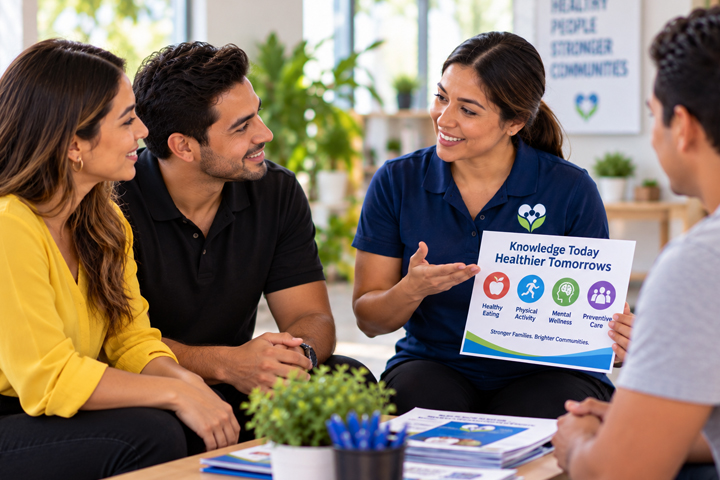
Community-based education can help bring information closer to the people who need it through health fairs, workshops, community talks, educational days, outreach initiatives, prevention campaigns, and partnerships with local organizations.
Meeting people where they live, work, and gather can create additional opportunities to share reliable information and connect individuals with appropriate healthcare and community resources.
From Knowledge to Connection
Providing health information is important, but education can become even more valuable when individuals also know where to turn for additional assistance.
Health education can help introduce people to primary care options, preventive services, community screenings, testing resources, social services, and other programs that may be available to them.
Resource navigation and referrals can then help individuals and families take the next step by connecting them with organizations and services appropriate to their needs.
Building a Culture of Prevention and Wellness
Creating healthier communities requires a long-term commitment to prevention, education, and wellness.
When health education becomes part of community conversations, individuals and families may become more aware of preventive care, early detection, healthy behaviors, and available resources.
Over time, increasing access to reliable information and strengthening connections to healthcare and community support can contribute to a culture in which prevention and wellness become important parts of everyday life.
Our Commitment to Health Education
Magic Helping Hands Foundation Corp is committed to promoting health education, prevention, and awareness while helping connect low-income, uninsured, and underserved individuals and families with healthcare and community resources.
Through our programs and community initiatives, we aim to provide accessible health information, promote preventive practices, strengthen STI and HIV prevention awareness, support community outreach, and help individuals and families identify resources that can support their health and well-being.
We believe that education can help create opportunities for people to become better informed, more connected, and more proactive about their health.
Knowledge Can Help Build Healthier Futures
Healthier families begin with access to knowledge, prevention, appropriate healthcare, and supportive resources.
By expanding health education and creating stronger connections between individuals, healthcare providers, community organizations, and available resources, we can help create pathways toward healthier and more stable futures.
When individuals are informed, families are empowered. When families are healthier, communities become stronger.